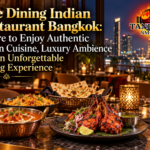

An evening out in Bangkok can begin with a simple search: indian food restaurant in Khlong San. However, finding a restaurant that serves authentic flavours, freshly prepared dishes, and satisfying meals requires more than checking its location. From traditional Indian curries and aromatic biryanis to freshly baked naan and tandoori specialities, several factors influence the dining experience. Whether you live in Bangkok, work in Khlong San, or are visiting the neighbourhood, choosing the right restaurant can turn an ordinary meal into a memorable occasion.
Why Choosing the Right Indian Restaurant in Khlong San Matters
Indian cuisine brings together regional cooking traditions, aromatic spices, distinctive textures, and carefully balanced flavours. A good restaurant preserves these qualities while offering meals that suit different tastes and dietary preferences.
Khlong San is a lively Bangkok district known for its riverside attractions, residential neighbourhoods, shopping destinations, and dining options. Visitors exploring the area often look for restaurants where they can enjoy delicious meals without travelling far.
However, not every restaurant delivers the same quality. Differences in ingredient freshness, cooking methods, food preparation, and hospitality can significantly affect your experience.
A reliable Indian restaurant should offer more than an extensive menu. It should provide consistent flavours, clean surroundings, reasonable prices, and attentive service.
Taking a little time to evaluate these factors can help you choose a restaurant that meets your expectations.
1. Look for Authentic Indian Flavours and Traditional Cooking Methods
Authenticity is one of the most important qualities to consider when choosing an Indian restaurant.
Traditional Indian cooking relies on the careful combination of spices, herbs, marinades, and preparation techniques. Ingredients such as cumin, coriander, turmeric, cardamom, ginger, garlic, and garam masala contribute distinctive aromas and flavours.
A well-prepared Indian dish should offer balanced seasoning rather than excessive heat.
For example, butter chicken should have a smooth, rich tomato-based gravy with gentle spices, while chicken tikka should deliver smoky flavours from proper marination and roasting.
Similarly, dal makhani requires slow cooking to achieve its characteristic creamy texture and depth of flavour.
What Indicates Authentic Indian Cooking?
Pay attention to how restaurants describe their cooking methods and signature dishes.
A kitchen that prepares fresh spice blends, marinates ingredients properly, and follows traditional recipes is more likely to produce satisfying results.
At Tandoori Smoke Bangkok, traditional Indian flavours and clay-oven cooking form an important part of the dining experience.
These cooking techniques help create the distinctive taste associated with popular North Indian dishes.
2. Check the Variety of Indian Dishes Available
A well-planned menu makes it easier for customers to find meals that match their preferences.
Indian cuisine offers considerable variety, ranging from mild vegetarian curries to spicy meat dishes, grilled appetisers, rice preparations, and traditional breads.
A restaurant with a balanced menu should accommodate both experienced Indian food enthusiasts and first-time diners.
Popular Indian Dishes Worth Looking For
Butter Chicken: A creamy tomato-based chicken curry featuring butter, aromatic spices, and a rich texture.
Chicken Tikka: Marinated chicken pieces roasted until tender, with distinctive smoky flavours.
Paneer Butter Masala: Soft paneer cubes served in a creamy tomato gravy.
Dal Makhani: Black lentils slowly cooked with butter, cream, and traditional Indian spices.
Chicken Biryani: Fragrant basmati rice prepared with marinated chicken, spices, and aromatic ingredients.
Garlic Naan: Soft Indian bread topped with garlic and coriander, traditionally baked in a tandoor.
A restaurant offering several well-prepared favourites allows customers to create satisfying combinations.
For families and groups, menu variety becomes particularly important because different guests may prefer different flavours.
3. Prioritise Fresh Ingredients and Proper Food Preparation
Freshness plays a major role in the quality of Indian food.
Vegetables, meat, dairy products, herbs, and spices influence the texture, flavour, and appearance of every dish.
Restaurants that maintain appropriate ingredient storage and prepare meals carefully can deliver better consistency.
Freshly prepared curries generally offer more vibrant flavours, while properly cooked rice maintains a pleasant texture.
Tandoori dishes also benefit from careful marination and controlled cooking temperatures.
How Can Customers Evaluate Food Freshness?
Start by examining recent customer photographs and feedback.
Look for dishes with natural colours, appealing presentation, and textures that match their descriptions.
When dining, notice whether naan arrives warm, rice tastes freshly prepared, and grilled items remain tender.
Freshness does not mean every ingredient must be prepared from scratch after an order. It means the restaurant handles ingredients safely, maintains quality, and prepares dishes appropriately.
Restaurants that take these details seriously often provide a more reliable dining experience.
4. Choose a Restaurant That Offers Fresh Tandoori Specialities
Tandoori cooking is one of the most recognisable elements of Indian cuisine.
A traditional tandoor is a clay oven that uses intense heat to cook marinated ingredients and bake Indian breads.
The cooking method helps create smoky aromas, lightly charred surfaces, and distinctive textures.
Popular tandoori dishes include chicken tikka, paneer tikka, seekh kebabs, and naan.
The quality of these dishes often reveals how carefully a restaurant manages its cooking process.
Chicken tikka should remain juicy inside, while paneer tikka should have a pleasant texture without becoming excessively dry.
Fresh naan should be soft enough to accompany curries comfortably.
For customers who enjoy traditional Indian cooking, restaurants with a dedicated tandoor can offer an appealing dining experience.
5. Consider Vegetarian and Non-Vegetarian Food Options
Indian cuisine is particularly suitable for groups with different dietary preferences.
Vegetarian dishes form an important part of Indian culinary traditions and offer much more than simple vegetable preparations.
Popular choices include palak paneer, kadai paneer, jeera aloo, dal makhani, and chole bhature.
These dishes combine vegetables, lentils, dairy products, and spices to create satisfying meals.
Non-vegetarian diners may prefer chicken tikka masala, butter chicken, chicken biryani, lamb biryani, or tandoori kebabs.
Why Menu Flexibility Matters
Families, colleagues, and tourists often have different food preferences.
A restaurant serving both vegetarian and non-vegetarian dishes makes group dining easier.
Customers with specific dietary requirements should also ask about ingredients, cooking oils, dairy products, and potential allergens before ordering.
Vegetarian dishes are not necessarily vegan, particularly when recipes contain butter, cream, paneer, or ghee.
Clear communication helps customers select meals that meet their needs.
6. Check Whether the Restaurant Can Adjust Spice Levels
One common misconception about Indian cuisine is that every dish must be extremely spicy.
In reality, Indian cooking focuses on flavour, aroma, seasoning, and balance.
Some dishes feature gentle spices and creamy gravies, while others deliver stronger chilli flavours.
A good Indian restaurant should help customers select dishes based on their preferences.
For example, butter chicken and chicken korma may appeal to diners who prefer milder flavours.
Customers who enjoy stronger seasoning may choose spicier curries or request additional heat where the recipe allows.
Why Personalised Spice Levels Improve Dining
Bangkok attracts customers from different countries and culinary backgrounds.
Not everyone has the same tolerance for chilli.
Restaurants that discuss spice preferences before preparing meals can make Indian cuisine more accessible.
This consideration is especially helpful for families with children and tourists trying Indian dishes for the first time.
7. Read Customer Reviews Before Making a Decision
Online restaurant reviews can provide useful information about food quality, service, cleanliness, and overall satisfaction.
However, choosing a restaurant based only on its star rating may not provide the full picture.
A better approach is to examine recent reviews and look for recurring comments.
Customers frequently mention specific dishes, waiting times, staff behaviour, and food presentation.
If several customers praise the same dishes, those recommendations may help you decide what to order.
Similarly, repeated complaints about inconsistent food quality or poor service deserve attention.
Pay Attention to Detailed Reviews
Detailed feedback is often more useful than brief comments.
For example, a review explaining that the chicken biryani had fragrant rice, balanced seasoning, and tender meat provides more information than a simple five-star rating.
Customer photographs can also help you assess portion sizes and food presentation.
Consider several reviews rather than relying on a single positive or negative experience.
8. Evaluate the Restaurant’s Location and Accessibility
Convenience is another important consideration when selecting an Indian restaurant in Khlong San.
The district includes residential streets, commercial areas, riverside attractions, and popular destinations such as ICONSIAM.
Visitors may prefer restaurants that fit naturally into their sightseeing plans, while local residents may prioritise easy access from home or work.
Before travelling, check the restaurant’s exact address and available transport options.
Bangkok’s traffic conditions can affect journey times, particularly during busy periods.
What Should You Check Before Visiting?
Confirm the restaurant’s operating hours, map location, and contact details.
If travelling by car, ask whether suitable parking is available nearby.
Customers using public transport should consider the distance from the nearest convenient station or transport connection.
Taking these practical steps can make the overall experience more comfortable.
9. Look for Cleanliness and Comfortable Dining Arrangements
A restaurant’s atmosphere contributes significantly to customer satisfaction.
Clean tables, organised seating, comfortable surroundings, and attentive staff help create a pleasant environment.
Food hygiene is equally important.
Restaurants should follow appropriate food-handling procedures, maintain clean preparation areas, and store ingredients safely.
Although customers cannot inspect every part of a kitchen, visible cleanliness and responsible service provide useful indications.
Choose an Atmosphere That Matches Your Occasion
A casual lunch with colleagues may require a different setting from a family celebration or dinner with friends.
Some customers prefer quiet surroundings where they can have conversations without distractions.
Others appreciate a lively atmosphere and spacious seating.
Before booking for a large group, confirm whether the restaurant can accommodate everyone comfortably.
10. Compare Food Quality Instead of Focusing Only on Price
Price matters, but the cheapest restaurant does not necessarily offer the best value.
A satisfying dining experience depends on ingredient quality, portion size, preparation, flavour, and service.
For example, freshly baked naan and a carefully prepared curry may offer better value than a larger meal with inconsistent flavours.
Customers should examine menu prices and consider whether the dishes suit their budget.
What Makes an Indian Meal Good Value?
Good value means receiving food and service that justify the amount spent.
A balanced meal might include one curry, an appropriate portion of rice or naan, and a starter to share.
Groups can often create variety by ordering several dishes and sharing them.
Before ordering, check whether service charges or additional taxes apply.
Transparent pricing makes it easier to enjoy the meal without unexpected expenses.
11. Pay Attention to Hospitality and Customer Service
Good hospitality can transform an ordinary restaurant visit into an enjoyable experience.
Friendly staff should welcome customers, explain menu items clearly, and respond politely to questions.
This is especially valuable when customers are unfamiliar with Indian cuisine.
Someone trying paneer, biryani, or tandoori food for the first time may appreciate suggestions about flavours and suitable combinations.
Staff should also communicate clearly about preparation times and special dietary requests.
Restaurants that handle customer concerns professionally demonstrate respect for their guests.
For families, tourists, and business diners, attentive service can be just as memorable as the food itself.
12. Find a Restaurant Suitable for Families and Group Dining
Indian cuisine works particularly well for sharing.
Groups can order several curries, appetisers, rice dishes, and breads, allowing everyone to sample different flavours.
This makes Indian restaurants appealing for birthdays, family meals, informal celebrations, and gatherings with friends.
When organising a group visit, consider the available seating, menu flexibility, and reservation options.
Plan Group Orders Carefully
Start by identifying how many guests prefer vegetarian or non-vegetarian dishes.
Choose a mixture of mild and strongly seasoned options.
Include enough breads and rice to accompany the main dishes.
Ordering a sensible variety helps reduce unnecessary food waste while giving guests more choices.
For larger gatherings, contacting the restaurant in advance can make meal planning easier.
13. Try Traditional Indian Starters Before the Main Course
Starters offer an enjoyable introduction to Indian flavours.
Vegetable samosas, paneer tikka, chicken seekh kebabs, and mixed vegetable pakoras provide different textures and seasoning styles.
Samosas feature crisp pastry with a savoury filling, while paneer tikka delivers smoky flavours from roasted marinated cheese.
Chicken seekh kebabs combine minced meat, herbs, and spices.
Indian street-food favourites such as pani puri also provide an interesting contrast through tangy, sweet, and spicy flavours.
Choosing one or two starters can help customers experience different elements of Indian cooking without making the meal unnecessarily heavy.
14. Choose Rice, Bread, and Curry Combinations Carefully
The right combination of dishes can improve an Indian meal considerably.
Rich curries often pair well with freshly prepared naan, while lighter gravies can accompany steamed basmati rice.
Butter chicken with garlic naan is a popular combination because the bread complements the creamy sauce.
Dal makhani with jeera rice provides a satisfying vegetarian meal.
Chicken biryani can serve as a main dish on its own, particularly when accompanied by raita.
For diners who enjoy contrasting flavours, a smoky tandoori starter followed by a mild curry creates a balanced experience.
Rather than ordering several similar gravies, choose dishes with different textures and spice profiles.
15. Why Consider Tandoori Smoke Bangkok for Indian Food?
Customers looking for traditional Indian flavours in Khlong San can consider Tandoori Smoke Bangkok.
The restaurant focuses on Indian dishes prepared with aromatic spices and familiar cooking techniques, including tandoor-roasted specialities.
Its menu brings together popular favourites such as butter chicken, chicken tikka, paneer butter masala, dal makhani, biryani, and freshly baked naan.
Vegetarian and non-vegetarian choices allow guests to build meals according to their preferences.
The combination of curries, rice, breads, and starters also makes the restaurant suitable for customers who enjoy sharing different dishes.
Whether planning a casual lunch, a dinner with friends, or a family meal, customers can select from several traditional Indian preparations.
Guests who prefer milder or stronger seasoning can discuss their preferences when ordering.
16. Common Mistakes to Avoid When Selecting an Indian Restaurant
Choosing a restaurant without checking important details can lead to disappointment.
One common mistake is relying exclusively on photographs. Attractive food images do not always reflect consistent taste or service.
Another is choosing the restaurant with the lowest prices without considering freshness, portion sizes, or customer feedback.
Some diners also overlook dietary requirements and assume every vegetarian dish contains no dairy products.
Ordering excessively spicy food without checking the seasoning can affect the experience.
Finally, arriving with a large group without confirming seating availability may create unnecessary inconvenience.
Checking menus, customer feedback, opening hours, and reservation arrangements beforehand helps avoid these problems.
17. How to Make Your First Indian Dining Experience Enjoyable
Indian cuisine offers plenty of accessible options for first-time customers.
Begin with familiar dishes featuring balanced flavours, such as butter chicken, paneer butter masala, or chicken tikka.
Pair a curry with naan or basmati rice to create a complete meal.
If you enjoy grilled food, consider a tandoori starter.
For something refreshing, mango lassi can complement a strongly seasoned meal.
Customers interested in desserts may enjoy gulab jamun, a traditional sweet prepared with soft milk-based dumplings soaked in fragrant syrup.
Avoid ordering too many unfamiliar dishes at once. Starting with a few carefully selected items makes it easier to appreciate their distinctive flavours.
Most importantly, ask the restaurant staff for recommendations when choosing between dishes.
Conclusion
Choosing a good Indian restaurant in Khlong San involves considering authentic flavours, fresh ingredients, menu variety, cleanliness, hospitality, and value for money. Traditional cooking techniques and flexible spice preferences can further improve the experience.
For customers seeking Indian curries, aromatic biryani, tandoori specialities, and freshly prepared breads, Tandoori Smoke Bangkok offers a selection of familiar Indian favourites. Whether dining with family, friends, or colleagues, selecting dishes that match your preferences can make every visit more satisfying.
Frequently Asked Questions
1. How can I find a good Indian food restaurant in Khlong San, Bangkok?
Look for restaurants serving authentic Indian dishes, freshly prepared meals, and a balanced selection of vegetarian and non-vegetarian options. Check recent customer reviews, food photographs, cleanliness, menu prices, and service quality. Restaurants such as Tandoori Smoke Bangkok offer traditional Indian favourites for customers seeking Indian cuisine in Khlong San.
2. What dishes should I try at an Indian food restaurant in Khlong San?
Popular dishes include butter chicken, chicken tikka, paneer butter masala, dal makhani, chicken biryani, and garlic naan. Vegetarian diners can consider palak paneer, kadai paneer, and chole bhature. Customers who enjoy grilled food may prefer tandoori specialities, while those seeking milder flavours can choose creamy curries.
3. Are there Indian restaurants in Khlong San with vegetarian food options?
Yes. Indian cuisine offers many vegetarian dishes, including paneer curries, lentil preparations, vegetable starters, and traditional Indian breads. Tandoori Smoke Bangkok includes vegetarian choices such as dal makhani, paneer butter masala, palak paneer, and jeera aloo. Customers with vegan requirements should confirm whether dishes contain dairy products or ghee.
4. Is Tandoori Smoke Bangkok suitable for family dining and group meals?
Tandoori Smoke Bangkok offers a variety of Indian curries, tandoori dishes, biryanis, vegetarian specialities, and breads suitable for sharing. Its menu provides options for guests with different food preferences and spice tolerances. Families and groups can contact the restaurant in advance to discuss seating arrangements, reservations, and meal requirements.
About The Author

 At vero eos et accusam et justo duo dolores et ea rebum.