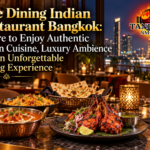

An elegant Indian dinner in Bangkok should offer more than polished interiors and familiar curries. The most satisfying experience combines purposeful cooking, attentive hospitality and a setting that suits the people sharing the table. Some diners favour richly spiced traditional dishes, while others prefer inventive tasting menus with lighter portions and unexpected combinations. Location matters too: an appealing dining room across the city may lose its charm after a difficult evening journey. A thoughtful choice starts with the cuisine, then considers atmosphere, service, access and the overall cost.
What Sets Refined Indian Dining Apart
Fine dining relies on consistency and judgement rather than expensive decoration. A carefully composed menu gives dishes a clear culinary identity, balances richness across courses and allows ingredients to retain their individual character. Skilled cooking matters just as much for a simple dal as for an elaborate meat preparation.
Service also changes the occasion. Staff should explain unfamiliar preparations, respect dietary restrictions and pace dishes so guests can enjoy conversation. Meanwhile, comfortable chairs, appropriate lighting and sufficient space between tables create conditions for a relaxed meal. These details justify an upscale setting only when the food matches the care invested in the room.
Traditional and contemporary approaches deserve separate consideration. A restaurant may serve recognisable recipes with restrained plating, or reinterpret regional flavours through different textures and presentations. Neither format guarantees greater authenticity. Instead, assess whether the cooking demonstrates a convincing relationship between ingredients, technique and the dish’s origins.
Regional Indian Cooking Beyond Familiar Curries
Indian cuisine encompasses distinct traditions shaped by climate, agriculture, history and local preferences. Consequently, a restaurant with a focused regional menu may offer greater depth than one that promises every speciality. Look for descriptions that identify cooking styles rather than relying entirely on generic labels such as spicy or creamy.
Northern, Punjabi and Courtly Traditions
Punjabi influences often appear through tandoori preparations, wheat breads, lentils and substantial gravies. A tandoor, a high-temperature clay oven, can produce lightly charred kebabs and breads with a characteristic texture. Proper marination helps proteins remain tender without masking their flavour beneath excessive seasoning.
Mughlai cooking commonly draws on nuts, yoghurt, aromatic spices and richly developed sauces. Awadhi traditions, associated with Lucknow, place particular emphasis on fragrant rice, measured seasoning and slow cooking. Dum preparation seals food so steam and aromas circulate gently; in a well-executed biryani, the grains remain distinct and the seasoning complements rather than overwhelms them.
Southern, Coastal and Vegetarian Specialities
South Indian cooking brings different foundations to the table. Curry leaves, mustard seeds, tamarind, coconut and pepper can create sharper, brighter profiles than many northern gravies. A dosa depends on fermented batter and precise griddle cooking, while sambar combines lentils, vegetables and tangy seasoning. Neither dish needs elaborate decoration to display skill.
Coastal traditions vary considerably. Some preparations use coconut and seafood; others rely on mustard, tamarind or regional spice mixtures. Vegetarian choices can be equally distinctive, from vegetable stews and tempered lentils to paneer dishes and seasonal greens. An interesting menu offers more than a token meat-free curry and makes the preparation method clear.
Tempering, or tadka, briefly blooms spices in hot fat before cooks add them to lentils or vegetables, producing a different effect from slow simmering. A well-made chutney adds freshness or acidity without relying on extra chilli. Both techniques reveal how Indian cooks build flavour through contrasting methods.
Rice, breads, chutneys, pickles and desserts complete the picture. For example, a carefully chosen accompaniment can provide acidity against a rich main course, while a modest serving of kheer offers a gentler finish than another heavily spiced dish.
How to Judge Cooking Quality
Well-prepared Indian food reveals technique through balance and texture. A gravy should taste developed rather than raw or floury, with aromatics integrated into the sauce. Heat may be prominent, but chilli should not erase the flavours of cardamom, cumin, coriander or the main ingredient. Likewise, a tandoori dish needs appropriate charring without dry meat or vegetables.
Timing matters after cooking. Crisp breads soften beside sauces, while delicate seafood can lose definition beneath excessive cream. Hot preparations should reach the table promptly, with chilled accompaniments providing contrast. Coordination therefore improves simple combinations.
Consider these practical signs when reviewing a menu or discussing dishes with staff:
-
Specific descriptions: Named regional techniques offer more information than vague promises of authentic flavour.
-
Appropriate accompaniments: Breads, rice and condiments should complement the dish instead of filling an otherwise limited menu.
-
Coherent combinations: Several rich courses may be less enjoyable than a progression that alternates depth, freshness and acidity.
Presentation can clarify a dish’s components, although intricate plating does not improve undercooked rice or a poorly balanced sauce. Chefs may adjust sweetness, heat or portion sizes for an international dining room while preserving a preparation’s essential character. Evaluate the result against its stated style, not against a single supposedly universal version of Indian food.
Ambience That Suits the Occasion
Luxury feels convincing when design supports comfort. Soft lighting can make dinner intimate, but guests still need to read the menu. Tables should allow conversation without exposing every remark to neighbouring diners. Similarly, music and room acoustics matter more during a business discussion than dramatic decorative features.
An intimate dining room may suit an anniversary, whereas a spacious, contemporary interior can accommodate a larger gathering more comfortably. A city-facing or riverside setting may add appeal, provided guests know what view or seating arrangement their reservation actually includes. Never assume every table enjoys the advertised outlook.
Notice how atmosphere works with hospitality. Prompt water service and unobtrusive clearing maintain the rhythm of dinner; repeated interruptions can undermine even an attractive room. Guests with mobility needs should confirm entrance access, lifts and suitable seating rather than relying on interior photographs.
Choosing the Right Part of Bangkok
Bangkok’s geography can shape the evening as much as its menu. Compare a prospective restaurant with your accommodation, planned activities and likely travel route. Rail connections may simplify journeys, whereas road traffic can make a seemingly short distance inconvenient, particularly around busy evening periods.
Sukhumvit, Phrom Phong and Thong Lo
Sukhumvit offers a practical reference point for visitors staying near its transport corridor. Phrom Phong and Thong Lo have stations on the elevated rail network, so travellers can assess how far a dining room sits from the nearest stop. Check the final walking route, especially if formal clothing, rain or accessibility needs make a long pavement journey undesirable.
Silom, Sathorn, Siam and the Riverside
Silom and Sathorn may suit dinners attached to meetings in the central business area; however, proximity to a main road does not necessarily mean a convenient entrance. Siam can work for an evening combined with central shopping or entertainment, particularly where rail changes are straightforward.
Riverside dining offers a different atmosphere for a leisurely celebration. Yet guests should confirm access by road, rail or boat and consider the return journey. A scenic location has limited value if departure arrangements become stressful. Across every district, choose the actual address and route rather than a neighbourhood’s reputation.
Choosing Between Tasting Menus and À La Carte
Menu format determines how much control diners retain over the meal. À la carte ordering allows a group to combine favourite dishes, adjust the balance between vegetables and meats, and choose its own pace. It can be especially practical for families with mixed appetites, although shared plates require attention to portions.
A tasting menu offers a structured sequence selected by the kitchen. Smaller courses can highlight techniques and regional contrasts, but the experience may take longer and offer fewer substitutions. Ask whether vegetarian courses form a complete alternative rather than simply omitting meat from an existing menu.
For tasting menus, ask whether beverage pairings cost extra, whether supplements affect the quoted price and whether courses arrive individually or for sharing. These details clarify pace and expense. Diners who prefer familiar dishes may favour a shorter menu.
For celebrations or professional dinners, a set menu can simplify ordering and clarify expenditure. Nevertheless, confirm what the price includes and whether the kitchen can accommodate spice preferences or dietary restrictions. Selecting a longer menu does not automatically mean choosing a better dinner; the right format should match your time, appetite and company.
Hospitality for Celebrations and Formal Meals
Attentive service begins before arrival. Clear reservation replies, accurate explanations of dishes and sensible course timing allow guests to plan confidently. At the table, knowledgeable staff should offer help without turning every exchange into a lengthy performance.
For a romantic dinner, ask about quieter seating and the anticipated noise level. A birthday group may value flexible ordering, while a client dinner benefits from efficient service and enough privacy for discussion. Where special arrangements matter, request confirmation rather than assuming that decorations, private rooms or personalised desserts come with every reservation.
Dietary Needs Require Specific Questions
Indian cuisine offers substantial vegetarian variety, but vegetarian food is not automatically vegan. Paneer, yoghurt, cream, butter and ghee can appear in vegetable dishes, while some breads and desserts contain milk or eggs. Ask which preparations use these ingredients and whether the kitchen can offer a suitable alternative.
Jain requirements may exclude root vegetables and other ingredients according to individual practice. Explain the restrictions clearly before booking; a vegetarian label alone provides insufficient assurance. Similarly, halal preferences require confirmation of meat sourcing, preparation methods and any certification a guest considers necessary. Never infer compliance from a restaurant’s cuisine or décor.
For allergies, identify the exact ingredient and discuss potential cross-contact. Nuts, sesame, dairy and wheat can feature in sauces, breads and garnishes. Staff may need to consult the kitchen, so advance notice helps them assess what they can safely provide. If the restaurant cannot confirm an essential requirement, choose another option.
Reservations, Costs and a Practical Checklist
The price of an upscale meal depends on course count, ingredients, beverages and the restaurant’s service arrangements. A headline menu price may not reflect taxes, service charges or optional extras. Ask for the expected total, particularly when organising a group dinner or choosing pairings.
Reservations also deserve attention. Clarify the dining duration, cancellation terms, dress expectations, table size and arrangements for late arrivals. Search results for ‘fine dining indian restaurant Bangkok’ can point towards very different dining styles, so booking decisions should rest on the actual menu and confirmed conditions rather than listing position.
Before committing, check the details that will affect your evening:
-
Food: Does the menu suit your preferred region, spice level and dining format?
-
People: Can the kitchen address every essential dietary or allergy requirement?
-
Setting: Does the noise level, table layout and seating suit the occasion?
-
Journey: Can everyone reach the venue and return comfortably?
-
Budget: Have you checked taxes, drinks, service charges and cancellation conditions?
An attractive restaurant can still be the wrong choice if its timing, menu or location conflicts with the occasion. Compare those practical factors first, then weigh design and presentation.
Conclusion
A satisfying Indian fine-dining evening in Bangkok rests on distinctive cooking, thoughtful service and an atmosphere that fits the occasion. Regional detail matters more than an extensive list of familiar dishes, while a beautiful interior should never distract from food quality or comfort. Choose the dining format that suits your group, confirm dietary requirements and account for the journey through the city. Before reserving, compare the menu, total expected cost and seating arrangements; those checks often make the difference between an impressive setting and an enjoyable dinner.
Frequently Asked Questions
How can I recognise authentic Indian cooking at an upscale restaurant?
Look for clearly described regional dishes, appropriate techniques and coherent seasoning. Tandoori cooking, carefully prepared lentils and distinct rice grains can reveal culinary attention, although quality depends on execution. Authenticity does not require old-fashioned plating; contemporary presentation can respect traditional ingredients and methods when chefs retain the dish’s character.
Which Bangkok neighbourhood is most convenient for Indian fine dining?
Choose according to your accommodation and evening plans. Sukhumvit, Siam and parts of Silom connect with elevated rail services, while riverside venues may require additional transfer planning. Check the restaurant’s precise address, walking access and return transport. Convenience depends more on your route than on any district’s reputation.
Is a tasting menu better than ordering à la carte?
A tasting menu suits diners who enjoy a planned progression and want to sample several preparations. À la carte dining provides greater control over dishes, portions and pace, especially for mixed groups. Compare duration, substitutions and total cost before deciding. Neither format automatically indicates stronger cooking or better value.
Can vegetarian diners expect more than paneer and vegetable curry?
Many Indian culinary traditions feature lentils, rice, seasonal vegetables, breads and distinctive regional preparations. However, availability differs between restaurants. Review the complete vegetarian selection rather than counting dishes alone, and ask how the kitchen develops its flavours. A balanced menu should offer contrasting textures and preparations across courses.
What should vegan or Jain guests confirm before booking?
Vegan diners should ask about dairy, ghee, eggs and ingredients in breads, sauces and sweets. Jain guests should explain their particular restrictions, including any ingredients they avoid. Request explicit confirmation of suitable dishes and preparation arrangements. A vegetarian menu does not, by itself, establish vegan or Jain suitability.
How do I check whether an Indian restaurant serves halal food?
Ask the restaurant directly about meat sourcing, handling and preparation, and request certification details if these matter to your requirements. Do not assume halal suitability from Indian menu descriptions or the presence of vegetarian dishes. If staff cannot give a sufficiently clear answer, consider an establishment that can verify its practices.
How early should I book a special-occasion dinner?
Reserve as soon as your date, group size and preferred dining format become clear, particularly when requesting specific seating or dietary arrangements. Lead times vary, so no single interval suits every restaurant. Confirm the booking, anticipated meal duration, cancellation conditions and any agreed celebration details before the evening.
What should I wear to an elegant Indian restaurant in Bangkok?
Choose neat clothing appropriate to the occasion, then check the venue’s stated dress expectations. Some dining rooms favour smart attire, while others take a more relaxed approach. Footwear requirements can also differ. Confirm the policy directly instead of assuming that every upscale restaurant imposes the same formal standard.
How can I estimate the full cost of dinner?
Ask for the current menu price and clarify whether taxes and service charges are included. Account for drinks, extra dishes, optional pairings and any group arrangements. Tasting menus and à la carte orders create different spending patterns. A clear estimate helps you assess value without relying on an advertised starting price.
What matters most when choosing a restaurant for a business dinner?
Prioritise a location guests can reach reliably, comfortable seating and a noise level that supports conversation. Check service pace, menu flexibility and the expected length of the meal. If colleagues have dietary restrictions, share them in advance. Privacy and predictable arrangements usually matter more than elaborate decorative features.
About The Author

 At vero eos et accusam et justo duo dolores et ea rebum.