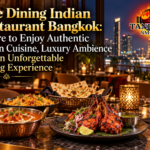

Bangkok offers a diverse Indian dining experience, with regional dishes that appeal to tourists, expatriates and local food enthusiasts. When comparing North Indian vs South Indian food in Bangkok, diners will notice distinct differences in ingredients, cooking techniques, flavours and traditional meal combinations. North Indian cuisine features aromatic curries, tandoori specialities and freshly prepared breads, while South Indian cuisine offers rice-based meals, lentils, coconut-based preparations and fermented dishes. Whether you prefer creamy curries or tangy, aromatic flavours, both cuisines offer enjoyable dining experiences for different tastes and occasions.
What Is the Difference Between North Indian and South Indian Food?
North Indian and South Indian cuisines reflect different agricultural traditions, regional ingredients, cultural influences and cooking practices. Although both use aromatic spices, their preparation methods and flavour combinations vary considerably.
North Indian cuisine often features wheat-based breads, dairy products, slow-cooked gravies and tandoor-cooked dishes. South Indian cuisine frequently incorporates rice, lentils, coconut, tamarind, mustard seeds and curry leaves.
However, both regions have considerable culinary diversity, and not every dish follows these general characteristics.
| Feature | North Indian Food | South Indian Food |
|---|---|---|
| Staple ingredients | Wheat, rice and lentils | Rice, lentils and millets |
| Popular breads and accompaniments | Naan, roti and paratha | Dosa, appam and parotta |
| Common spices | Cumin, cardamom and garam masala | Mustard seeds, curry leaves and black pepper |
| Popular ingredients | Paneer, yoghurt, butter and cream | Coconut, tamarind and lentils |
| Cooking techniques | Tandoor cooking, grilling and slow cooking | Steaming, fermentation and tempering |
| Popular vegetarian dishes | Dal makhani and palak paneer | Idli, dosa and vegetable sambar |
| Popular non-vegetarian dishes | Butter chicken and chicken tikka | Chettinad chicken and fish curry |
| Flavour profile | Aromatic, smoky and sometimes creamy | Tangy, earthy and sometimes spicy |
These differences help diners select meals according to their preferences rather than assuming one cuisine offers a better dining experience than the other.
What Makes North Indian Food Popular in Bangkok?
North Indian cuisine appeals to diners who enjoy aromatic gravies, grilled meats, soft breads and carefully balanced spices. Its variety makes it suitable for family dinners, business lunches, celebrations and casual dining.
Many North Indian preparations combine onions, tomatoes, ginger, garlic and spices to create rich flavours. Traditional tandoor cooking adds a distinctive smoky aroma to marinated meats, vegetables and breads.
Bangkok’s international dining culture also makes North Indian cuisine an appealing option for travellers who want familiar Indian flavours while visiting Thailand.
Rich and Aromatic Curries
North Indian curries often feature slow-cooked ingredients that develop deeper flavours during preparation. Dishes such as butter chicken, shahi paneer and dal makhani offer varying levels of richness and spice.
Customers who prefer milder meals can consider tomato-based or creamy preparations, while those who enjoy stronger flavours can choose more robust masala dishes.
Traditional Tandoori Cooking
A tandoor is a traditional high-temperature clay oven that produces distinctive textures and smoky flavours. Chefs use it to prepare marinated chicken, paneer, kebabs and Indian breads.
Tandoori preparations offer an alternative to gravy-based dishes and work particularly well as shared starters.
Freshly Prepared Indian Breads
Indian breads complement North Indian curries by absorbing their gravies and balancing their flavours. Butter naan, garlic naan, tandoori roti and laccha paratha each offer different textures and tastes.
Diners can pair these breads with vegetarian and non-vegetarian dishes to create satisfying meals.
Best North Indian Dishes to Try in Bangkok
Visitors who want to experience traditional North Indian flavours can begin with the following popular dishes.
1. Butter Chicken
Butter chicken combines tender pieces of chicken with a smooth tomato-based gravy, butter, cream and aromatic spices. Its balanced flavour makes it an excellent choice for diners who prefer mild to moderately spiced food.
Pair butter chicken with garlic naan or jeera rice for a satisfying meal.
2. Chicken Tikka Masala
Chicken tikka masala features marinated, grilled chicken served in a seasoned tomato-based gravy. Its smoky character and pronounced spice flavours appeal to diners who want a richer curry experience.
The dish pairs particularly well with naan, roti or steamed rice.
3. Dal Makhani
Dal makhani features black lentils and kidney beans cooked slowly with spices, butter and cream. The slow-cooking process creates a smooth texture and deep flavour.
It offers a satisfying vegetarian option for diners who appreciate traditional Punjabi cuisine.
4. Paneer Butter Masala
Paneer butter masala combines soft Indian cottage cheese with a creamy tomato-based gravy. Its mild sweetness and aromatic spices make it popular among vegetarian diners and families with children.
Pair it with butter naan or tandoori roti.
5. Tandoori Chicken
Chefs marinate chicken with yoghurt, spices and seasonings before cooking it at high temperatures in a tandoor. The preparation creates a smoky exterior while retaining tenderness inside.
Tandoori chicken works well as a starter or alongside rice, bread and salad.
6. Chole Bhature
Chole bhature combines spiced chickpea curry with fluffy, deep-fried bread. This Punjabi speciality offers bold flavours and a filling meal suitable for brunch or lunch.
Pickled vegetables and sliced onions traditionally complement the dish.
7. Palak Paneer
Palak paneer features Indian cottage cheese cooked in a seasoned spinach-based gravy. It offers an earthy flavour and a different texture from tomato-based curries.
Diners can enjoy it with roti, naan or rice.
8. Rogan Josh
Rogan josh originates from Kashmir and features tender meat cooked with aromatic spices. Traditional preparations offer a distinctive colour and deep flavour without necessarily relying on cream.
It suits diners who appreciate slow-cooked meat curries with complex seasoning.
What Makes South Indian Food Unique in Bangkok?
South Indian cuisine brings together culinary traditions from Tamil Nadu, Kerala, Karnataka, Andhra Pradesh and Telangana. Each region offers distinctive ingredients, cooking techniques and meal combinations.
The frequent use of rice, lentils, coconut, tamarind and regional spices creates a diverse selection of dishes suitable for breakfast, lunch and dinner.
Rice-Based Traditional Meals
Rice forms an important part of many South Indian meals. People enjoy it with sambar, rasam, vegetable preparations, chutneys and regional curries.
Rice-based dishes provide considerable variety for diners who prefer alternatives to wheat-based Indian breads.
Fermented and Steamed Specialities
South Indian cuisine features fermented preparations such as dosa and idli. Fermentation contributes to their distinctive flavour and texture, while steaming gives idli its characteristic softness.
These dishes offer appealing breakfast and light dining options.
Coconut and Tamarind Flavours
Many South Indian dishes incorporate coconut milk, grated coconut or tamarind. Coconut adds richness, while tamarind contributes a distinctive tanginess.
The combination of these ingredients with regional spices creates flavours that may also appeal to diners familiar with Thai cuisine.
Traditional Spice Tempering
South Indian cooking frequently uses mustard seeds, curry leaves, dried chillies and other spices tempered in hot oil. This technique releases aromatic compounds and enhances the overall flavour of a dish.
Best South Indian Dishes to Try in Bangkok
South Indian cuisine offers numerous options for diners who appreciate tangy flavours, crispy textures and aromatic regional preparations.
1. Masala Dosa
Masala dosa consists of a crispy, fermented rice-and-lentil crepe filled with seasoned potatoes. Restaurants typically serve it with coconut chutney and sambar.
Its combination of crispness, mild filling and tangy accompaniments makes it a popular South Indian speciality.
2. Idli and Sambar
Idli consists of soft, steamed rice-and-lentil cakes. Sambar, a lentil-based vegetable preparation, adds flavour and variety to the meal.
This combination suits diners who prefer steamed preparations over fried foods.
3. Medu Vada
Medu vada features a seasoned urad dal batter fried until golden and crispy. Its soft interior contrasts with its crunchy exterior.
Diners commonly enjoy medu vada with coconut chutney and sambar.
4. Chettinad Chicken
Chettinad chicken originates from Tamil Nadu and features aromatic spices, which may include black pepper, fennel and coriander.
Its pronounced flavours make it suitable for diners who enjoy robustly seasoned meat preparations.
5. Kerala Fish Curry
Kerala fish curry combines fish with regional spices and tangy ingredients. Some variations incorporate coconut milk, while others feature kudampuli or other souring ingredients.
Seafood enthusiasts can enjoy this speciality with steamed rice.
6. Appam and Vegetable Stew
Appam is a fermented rice pancake with a soft centre and delicate edges. Vegetable stew often combines coconut milk, vegetables and aromatic spices.
Together, they offer a comforting meal with relatively gentle flavours.
7. Uttapam
Uttapam is a thick, savoury pancake prepared from fermented rice-and-lentil batter. Common toppings include onions, tomatoes, chillies and other vegetables.
It offers a softer alternative to crispy dosa.
8. Lemon Rice
Lemon rice combines cooked rice with lemon juice, mustard seeds, curry leaves, turmeric and other seasonings.
Its refreshing, tangy flavour makes it an appealing lunch option or accompaniment to other South Indian dishes.
North Indian vs South Indian Food: Which Cuisine Is Spicier?
South Indian cuisine includes several dishes known for their strong chilli and black pepper flavours, particularly preparations from Andhra Pradesh and the Chettinad region. However, North Indian cuisine also features intensely spiced curries and regional specialities.
The actual spice level depends on the recipe, ingredients and preparation method.
| Spice preference | North Indian dishes | South Indian dishes |
|---|---|---|
| Mild | Butter chicken, shahi paneer | Idli, appam, vegetable stew |
| Moderate | Dal makhani, chicken tikka masala | Masala dosa, sambar |
| Strong | Spicy chicken curry, kadai chicken | Chettinad chicken, Andhra chicken curry |
| Tangy | Chole, achari paneer | Rasam, lemon rice |
Diners who have limited tolerance for spicy food should discuss their preferences with restaurant staff before ordering.
Which Indian Cuisine Offers Better Vegetarian Options?
Both North Indian and South Indian cuisines offer extensive vegetarian choices.
North Indian vegetarian meals frequently incorporate paneer, lentils, chickpeas, potatoes, spinach and seasonal vegetables. South Indian vegetarian meals often feature rice, lentils, coconut, vegetables and fermented preparations.
Popular North Indian vegetarian options include paneer tikka, dal makhani, chana masala and aloo gobi. South Indian alternatives include masala dosa, idli, vegetable uttapam and coconut-based vegetable curries.
North Indian cuisine suits diners who enjoy paneer and rich gravies, while South Indian cuisine offers considerable variety for those who prefer rice-based and steamed preparations.
Vegan diners should confirm whether individual dishes contain butter, ghee, yoghurt or other dairy ingredients.
Which Indian Cuisine Is Healthier?
Neither cuisine is inherently healthier than the other. Nutritional value depends on ingredients, portion sizes, cooking techniques and the overall composition of a meal.
North Indian meals can provide protein through lentils, chickpeas, paneer and grilled meats. South Indian meals can provide carbohydrates, protein and dietary fibre through rice, lentils and vegetables.
Diners seeking balanced meals can choose grilled preparations, steamed dishes, vegetables and moderate portions of rice or bread. They can also request less oil or butter where preparation methods permit.
People with dietary restrictions or food allergies should confirm ingredients before ordering.
Which Indian Food Should You Try for Different Dining Occasions in Bangkok?
Selecting dishes according to the occasion can improve your dining experience.
| Dining occasion | Recommended dishes |
|---|---|
| Breakfast | Idli, masala dosa and uttapam |
| Family lunch | Butter chicken, dal makhani and naan |
| Business lunch | Paneer tikka, vegetable curry and rice |
| Romantic dinner | Tandoori chicken and aromatic curries |
| Casual evening meal | Medu vada, dosa or chicken tikka |
| Group celebrations | Tandoori platters, paneer dishes and assorted breads |
| Seafood dining | Kerala fish curry and steamed rice |
| Vegetarian dinner | Palak paneer, dal makhani and vegetable stew |
Families with different food preferences can order several dishes for sharing, allowing everyone to experience different flavours.
How to Choose Authentic Indian Food in Bangkok
A satisfying Indian dining experience depends on more than the number of dishes available on a menu. Consider ingredient quality, preparation techniques, regional flavours, cleanliness and customer service.
Look for restaurants that clearly describe their dishes and explain their ingredients. Ask staff about spice levels, vegetarian options and traditional meal combinations.
If you visit Khlong San, Bangkok, consider your preferred cuisine before choosing a restaurant. Diners looking for Punjabi curries, tandoori specialities and Indian breads may prefer a North Indian dining experience, while those seeking dosa, idli and coconut-based curries may prefer a South Indian speciality restaurant.
Enjoy North Indian Flavours at Tandoori Smoke Bangkok
Tandoori Smoke Bangkok offers an inviting Indian dining experience for food enthusiasts, families, tourists and residents visiting Khlong San.
Whether you enjoy aromatic curries, smoky tandoori preparations or traditional Indian breads, North Indian cuisine offers plenty of combinations for a memorable meal.
Tandoori Smoke Bangkok welcomes diners looking to experience Indian flavours in Thailand. Ask the restaurant team about available dishes, vegetarian alternatives and preferred spice levels before placing your order.
Make your next Indian dining experience an opportunity to enjoy traditional flavours with family, friends or colleagues.
Conclusion
North Indian and South Indian cuisines offer distinctive flavours, ingredients and cooking traditions that cater to different dining preferences. North Indian food appeals to diners who enjoy aromatic curries, tandoori preparations and freshly prepared breads, while South Indian food offers crispy dosa, steamed idli, tangy curries and rice-based meals. Your ideal choice depends on your taste, dietary preferences and dining occasion. Visit Tandoori Smoke Bangkok in Khlong San to experience North Indian flavours and enjoy a memorable meal with your loved ones.
Frequently Asked Questions
1. What is the main difference between North Indian and South Indian food in Bangkok?
North Indian food frequently features wheat-based breads, paneer, aromatic curries and tandoori preparations. South Indian food commonly features rice, lentils, coconut, tamarind, dosa and regional curries.
2. Which North Indian dishes should I try in Bangkok?
Butter chicken, chicken tikka masala, dal makhani, paneer butter masala, tandoori chicken and garlic naan are popular North Indian dishes worth trying.
3. What are the most popular South Indian dishes in Bangkok?
Masala dosa, idli, sambar, medu vada, uttapam, Kerala fish curry and Chettinad chicken are popular South Indian specialities.
4. Is North Indian food spicier than South Indian food?
Not necessarily. Both cuisines offer mild and strongly spiced dishes. Spice levels depend on regional recipes, ingredients and individual preparation methods.
5. Where can I enjoy North Indian food in Khlong San, Bangkok?
Tandoori Smoke Bangkok is an Indian dining option in Khlong San for visitors interested in North Indian flavours, aromatic curries and tandoori-style preparations.
6. Which Indian cuisine is better for vegetarian diners in Bangkok?
Both cuisines offer excellent vegetarian choices. North Indian cuisine features paneer and lentil-based curries, while South Indian cuisine offers dosa, idli, sambar and vegetable preparations.
7. Which Indian dishes are suitable for children in Bangkok?
Mild butter chicken, paneer butter masala, plain naan, steamed rice, idli and plain dosa may suit children who prefer gentle flavours.
8. Can Thai food lovers enjoy South Indian cuisine?
Yes. South Indian cuisine uses ingredients such as coconut, chillies, tamarind and aromatic spices, which may appeal to people who enjoy traditional Thai flavours.
9. Which Indian cuisine is best for family dining in Bangkok?
North Indian cuisine offers shared curries, breads and tandoori starters that work well for family dining. South Indian cuisine also provides excellent rice-based meals and vegetarian alternatives.
10. What should first-time visitors order at an Indian restaurant in Bangkok?
First-time visitors can start with butter chicken, garlic naan, paneer tikka or dal makhani when choosing North Indian food. Masala dosa and idli with sambar offer approachable introductions to South Indian cuisine.
About The Author

 At vero eos et accusam et justo duo dolores et ea rebum.