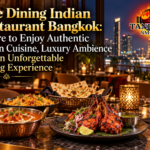

Choose a dedicated Indian restaurant in Bangkok if you want to share several Indian dishes, ask about preparation, or spend time over dinner. A shopping mall food court suits a quick meal during a shopping trip or a group that wants different cuisines. You can find both formats inside Bangkok malls. What matters is how you order, where you sit, and whether the kitchen serves the meal you have in mind. If your plans hinge on a particular dish or dietary requirement, check that first.
How you order and where you sit?
At a dedicated restaurant with table service, staff seat your party, take the order, and bring the dishes. You can discuss portion sizes, ask for extra plates, and request that starters arrive before the mains. When you order several dishes to share, a single kitchen can coordinate their arrival. If the timing matters, tell the server whether you want the breads and rice alongside the mains or prefer dishes as the kitchen finishes them.
At a food court, you generally order and collect food at individual counters and eat in a shared seating area. Depending on the counter, staff may hand over a prepared plate or ask you to wait while they cook. When people order from separate stalls, one person may start eating while someone else still waits for their food. During a busy period, a group can spend longer finding adjacent seats than choosing dishes.
Check the payment instructions before joining a queue. Some Bangkok food courts use a prepaid card that you load at a separate desk and present at participating counters. If the venue refunds unused credit, check where to collect it and whether a deadline applies. At a restaurant, ask about payment if your preferred method matters. For a group, it also helps to agree who will order the shared dishes and whether one person will settle the bill.
If you are sharing dishes at a food court, pick up the cutlery and serving spoons you need on the way back from the counters. Before leaving, look for signs about returning trays and clearing the table.
One Indian menu or several cuisines?
A dedicated Indian kitchen makes sense if everyone wants to build a meal around Indian food. At a restaurant with North Indian dishes, you might share dal, a tandoor dish, and a vegetable curry, then choose between naan, roti, and rice. A South Indian menu may offer dosa with sambar or a meal with several small accompaniments. Before going, check the actual menu if someone wants a particular regional dish, bread, or rice preparation.
For a mixed group, a food court offers a different kind of choice. One diner can order Thai noodles, another can have chicken rice, and a third can choose an Indian dish if the court has an Indian counter. That flexibility works when everyone wants an individual plate. However, a counter that serves a compact selection may offer fewer options for someone who wants an Indian starter, several mains and freshly cooked bread at the same meal.
For a snack, a counter with a short menu may be all you need. A plate of samosas or a portion of chaat can suit a mid-afternoon break. If you want a full Indian meal later, check the selection of mains before you settle on a venue.
When comparing search results for the best indian restaurant in BKK, look at whether the menu suits the way your group wants to eat. A thali can work for a solo diner who wants several components in one order. For a shared dinner, separate mains and breads give the table more control over what to try. If diners prefer different levels of chilli, ask which dishes the kitchen can adjust. A cook may be able to change the seasoning in a dish made to order, while a prepared sauce may already contain chilli.
Compare the cost of the whole meal.
Start with what you would actually order. A food court plate that includes rice may cover most of lunch for one person. Once you add a drink, a side and something sweet from another counter, the total changes. At a restaurant, a set meal may include bread or rice, while ordering a curry separately may mean paying for its accompaniments. Read the description and ask about portions before assuming two similarly priced dishes offer the same amount of food.
For a group, calculate the cost of feeding the table. When four people share two or three mains, compare their portions alongside the breads, rice and drinks everyone wants. If some people prefer separate mains, price those individually and add only the items they plan to share. A large platter can be sensible when everyone wants it. If two guests would eat only a small portion, several smaller orders may fit the group better.
Check the menu notes for VAT and a service charge. Some Bangkok restaurant menus include them in their listed prices, while others add them to the bill. If the pricing is unclear, ask staff for the total in Thai baht before committing to a set menu or a large order. At a food court, compare what each counter charges for the meal and account for extras you plan to buy elsewhere. When you compare complete orders, you can judge how much you would pay for the meal you want and the time you plan to spend there.
Allow time for the whole stop.p
For a short lunch break, count the walk, queues, seating, and payment as well as cooking time. A mall food court in Asok can fit your schedule if you already pass through the area and know where the dining floor is. However, a queue at the payment desk or a search for seats can eat into the break. A nearby restaurant with an available table and a lunch set may get you back sooner.
If you are already shopping, check the floor directory. The Indian restaurant and the food court may occupy different levels, so the shorter trip depends on where you are in the building. When a party includes someone who needs step-free access, check the route from the street or station to the dining floor. A short route on a map can still involve a long corridor or a lift on the other side of the building. Around Siam station, check which street or elevated entrance puts you closest to the lift or escalator that serves your dining floor.
For a planned dinner, check the venue’s last orders as well as the mall’s closing time. An individual counter can stop taking orders before the building closes. If a restaurant accepts bookings, confirm when it can seat the whole party and whether it holds the table if someone runs late. Travellers planning an Indian meal around a visit to Phahurat can compare nearby menus before adding a cross-town journey. If the meal is the purpose of the outing, leave enough time between courses for the group to eat and talk.
Choose seating that suits the occasion.on
A dedicated restaurant can suit a business lunch when the group needs to talk without interrupting the conversation to collect plates. If you plan to discuss sensitive matters, ask about the seating layout and the distance between tables. A restaurant on a busy mall concourse can still pick up noise from passing shoppers. For a celebration, check whether the staff can seat everyone together and whether the venue has enough table space for dishes to share.
A food court can suit a casual family outing because adults and children can each choose a meal. If a child needs to eat promptly, check the wait for their dish as soon as you arrive. During a busy period, one adult can stay with the children while another orders, where the venue allows this. With a larger family, consider how everyone will carry trays, drinks, and belongings through the seating area while keeping children in sight.
Check the seating layout in advance if your group needs extra space around the table.
- Highchairs and pushchairs: Ask about highchair availability and space beside the table before choosing where to sit.
- Wheelchair access: Check aisle width, movable chairs, and the route to an accessible toilet.
- Time at the table: For a long conversation or a leisurely meal, check whether the restaurant applies a seating limit. In a crowded food court, shared tables and traffic around them can make a shorter stop more comfortable.
Ask what the kitchen can confirm.
Start with the ingredients and preparation that matter to you. A dedicated Indian restaurant may have several vegetarian options, but vegan diners should also ask about ghee, butter, cream and yoghurt in sauces, breads and finishing touches. At a food court, check stocks, seasoning, sauces and toppings with the counter that prepares the dish. A plate can look suitable even if the cook uses a stock or sauce that contains an ingredient you avoid.
For Jain dining, explain your own requirements, including whether you avoid onion, garlic, or other root vegetables. If the kitchen uses a prepared curry base, ask whether it can cook a suitable dish separately and whether it needs advance notice. For halal dining, ask about the specific branch or counter and check the scope and validity of any certificate you rely on. Check halal certification separately from vegetarian menu symbols.
For a food allergy, name the allergen and ask how the kitchen handles cross-contact. Check shared pans, fryers, ladles and preparation surfaces, as well as ingredients in sauces and spice mixes. If you need to communicate an allergy in Thai, show staff an accurate written translation and ask them to check with the person who prepares the food. When the venue cannot confirm what it uses or how it handles shared equipment, choose somewhere that can accommodate your allergy. For a group sharing dishes, check whether others will use the same serving utensils and keep the affected diner’s portion separate as needed.
Match the venue to your plans.
- Quick solo meal: Choose a food court if you are already in the mall, a counter has a suitable dish, and you can see space to sit.
- Group with mixed tastes: A food court works when people want different cuisines and can order independently.
- Shared Indian dinner: Choose a dedicated restaurant with mains, breads, and rice dishes that the group wants to try together.
- Specific dietary requirements: Pick the restaurant or counter that can confirm ingredients and meet your preparation requirements before you order.
- Special occasion: Look for a restaurant that can seat the whole party and serve the meal at your preferred pace.
Conclusion
Settle the hardest part of the decision first. If a guest needs a particular preparation, check that before comparing prices or travel times. Then consider whether the group wants one shared order or individual plates, and compare the total cost of meals that meet those needs. If time is tight, count the steps between arriving and eating. For an occasion where conversation matters, give the seating and service as much attention as the menu.
Frequently Asked Questions
How can I estimate the bill before sitting down?
Add up the mains, accompaniments and drinks you expect to order, then ask whether menu prices include VAT and any service charge. If you are splitting the cost, divide the likely final bill by the number of people sharing it. Price separate orders individually if diners want to pay for their own meals.
Can a large group sit together at a mall food court?
Yes, if the court has a large enough table or adjacent seats free. For a party that needs to stay together, look at the seating area before anyone buys food. If the room is busy and everyone needs a place at the same table, consider a restaurant that can confirm space.
Can people bring dishes from different counters to the same table?
Usually, yes, when the counters share a common dining area. Check where the shared seating ends, especially if a neighbouring restaurant has its own tables. If orders take different amounts of time, agree where you will meet and check whether each counter calls a number or expects diners to wait nearby.
What if I want Indian food but have only time for one dish?
Look for a single order that includes the accompaniments you want, such as a thali or a biryani with a side if the menu lists one. Ask when the kitchen can serve it. If you have a fixed deadline, factor in the time you will spend paying and reaching your next stop.
Do Indian restaurants inside malls follow food court payment rules?
Payment rules vary by venue and format. A dedicated restaurant may settle bills at the table or at its own till, even if the food court upstairs uses a prepaid card. If you have credit on a food court card, ask whether that restaurant accepts it before you place an order.
Can the kitchen make an Indian dish with less chilli?
Sometimes, especially when the cook adds chilli separately while preparing the dish. Ask about the base sauce and accompaniments as well as the main item. If the kitchen has already mixed chilli into the base, ask staff which dishes start mild and whether they can serve a hot chutney separately.
Can I check a Jain meal before arriving in Bangkok?
Yes, if you can contact the venue in advance. Describe the ingredients you avoid and ask the kitchen which dishes it can prepare under those conditions. Also ask whether it needs notice for your preferred date. When you arrive, confirm the arrangement before the group places its order.
What should I check before booking a birthday meal?
Ask about seating the full party, table time, and any conditions for bringing a cake. If guests will arrive separately, check whether staff can seat part of the group first. For a shared meal, ask whether you can order some dishes in advance and choose the rest once everyone arrives.
Will a shopping mall food court suit an early dinner with children?
It can, if the counters you need are open and the seating area has room for your family. Check whether a child’s preferred meal comes in a manageable portion and what it includes. If you need a highchair, ask where to collect one and whether you can use it at your table.
Where should I start if someone needs a halal meal?
Confirm a suitable restaurant or counter before the group chooses where to eat. If certification matters to the diner, check that it is current and covers the specific premises or food in question. In a food court, ask about the individual counter, since adjacent stalls may use different suppliers and preparation methods.
About The Author

 At vero eos et accusam et justo duo dolores et ea rebum.